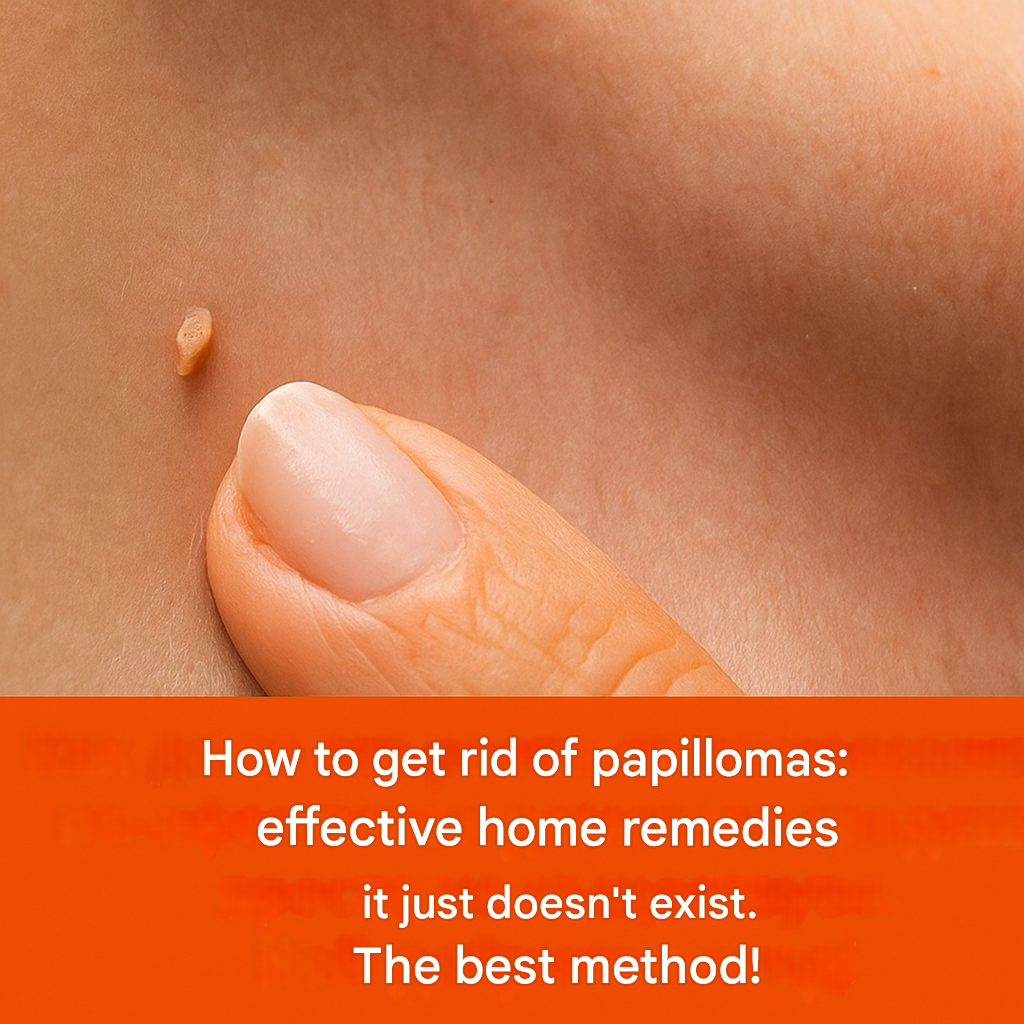
In everyday language, “papilloma” most often refers to:
Skin tags (fibromas) – soft, small growths, often on the neck, under the armpits, under the breasts, in the groin. They are usually harmless and do not hurt.
Viral warts – flat or dome-shaped, on the hands, feet, knees, sometimes the face; caused by the human papillomavirus ( HPV ), some are hard and rough.
Molluscum contagiosum , seborrheic keratoses, etc. – look similar , but are not papillomas.
Since appearances can be deceiving, the first step is a proper diagnosis . If you are not sure what it is, consult a dermatologist – this prevents mistakes and unnecessary scarring.
When is it necessary to see a doctor?
The growth bleeds, grows rapidly, changes color/shape , itches severely, or hurts.
It appears on the eyelid/around the eye, on the genitals, on the lips .
You have diabetes, immunosuppression, pregnancy , or a tendency to form keloids.
This is your first such formation and you have no diagnosis.
How is the diagnosis made?
It is usually clinical – the dermatologist examines with a dermatoscope. If in doubt, a biopsy can be done . This is quick and prevents erroneous self-treatment.
Medical removal methods (most reliable)
These are the highly effective and risk-controlled procedures performed in the office:
Cryotherapy (freezing with liquid nitrogen)
Suitable for many warts and some papillomas. Usually 1–3 sessions every 2–3 weeks. Temporary whitening/blistering possible.Electrocoagulation/cauterization
Burning and simultaneous coagulation of the vessel. Fast, with a small wound, minimal bleeding.Radiofrequency excision
Precise cutting with radio waves; spares the surrounding skin and often leaves a finer scar.Laser (CO₂, erbium, etc.)
Very precise depth control; suitable for sensitive areas and multiple small lesions.Surgical excision (snip excision)
For larger or stalked papillomas; usually with local anesthesia, rapid healing.
The doctor chooses the technique based on the size, location, type , and your preferences. This is the “best method” in the sense of the most suitable for the individual .
